
Test the big decisions on a twin of your network first
A new depot, electric trucks, a client whose volume grows: big decisions that are expensive to get wrong. We build a working model of your network, replan every route under each option, and show you the results side by side before any money is spent.
Digital twin · 54 s
Big decisions, made on a spreadsheet
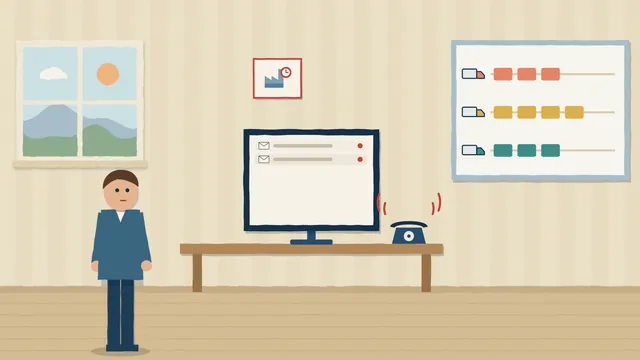
Network decisions are usually taken on averages and rules of thumb: a depot looks good on the map, an electric truck looks fine on paper, a growing client looks like more of the same. What happens to the actual routes only shows after the decision is made.
Getting it wrong means a depot in the wrong place, vehicles that cannot cover their routes, a fleet that runs short at the worst moment, and costly corrections after the money is spent.
Decisions on averages
Spreadsheets average away the routes, windows and peaks that decide whether a plan works.
Electric trucks, real routes
Range and charging only show their limits when every route is checked, not the average one.
Growth that catches you out
More volume from one client can tip a fleet over capacity in places nobody expected.
Every option replanned on a working model
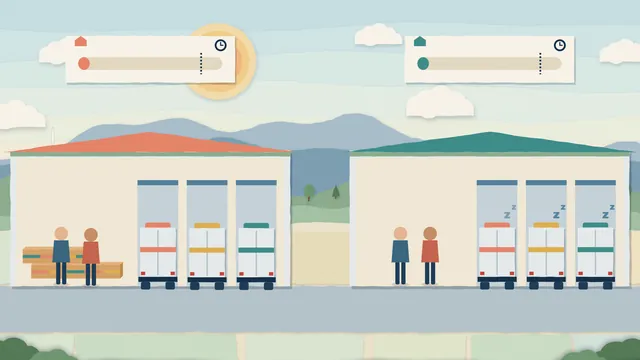
The digital twin is a model of your network built from your own orders, routes, depots and fleet. For each option, the same optimisation engine as in daily planning replans every route, so you compare real plans, not estimates.
What goes in
- Your order history, routes, depots and fleet
- The options to test: a depot, vehicle types, volumes
- Costs, shifts and service levels
- Range and charging data for electric vehicles
Constraints handled
- The same rules as daily planning: windows, capacity, driving times
- Range and charging for every electric route
- Depot capacity and opening hours
- Service levels per customer
What the planner sees
- Every option side by side: kilometres, vehicles, costs and CO2
- Routes that no longer fit, and how they are split
- Where capacity runs short, by day and region
- A tested plan for the option you choose
Comparisons you can check, not promises
We do not predict savings before the twin is built. The twin's first test is your own past: we replan historical weeks and compare them with what you actually ran, so you can judge the model before trusting it with a decision.
These are the comparisons the twin produces. Outcomes depend on your network, the options and your data, and are not guaranteed.
- Model against reality
- Past weeks replanned and compared
- Options compared
- Side by side, on the same orders
- Rollout
- Starts from a plan that has been tested
Bring one planning problem to a working session
Tell us where planning hurts today. In one session we map it to the modules that fit, and what a shadow run on your data would look like.
Schedule an appointment
Real-time availability. Instant Teams invite.
- Direct with our engineers
- Cancel or reschedule any time