
One region, planned as one network
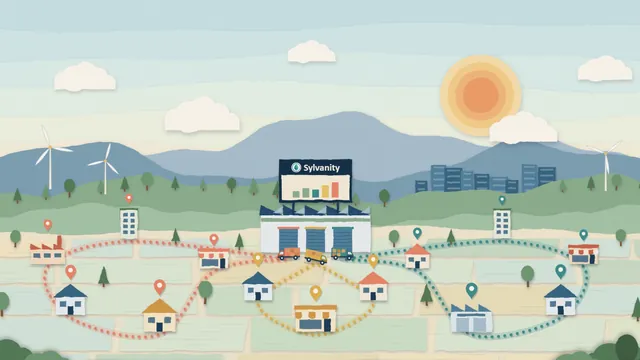
On the same day, one depot is swamped and the other has trucks standing still. When each depot plans alone, neither can help. We plan the depots together: orders near the border go to the depot that has room, and trucks go where the work is.
Multi-depot balancing · 44 s
Each depot plans alone
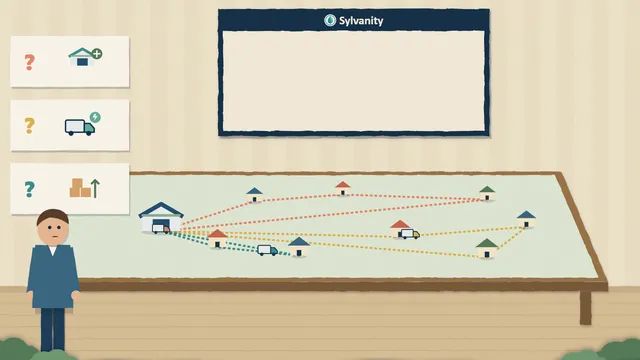
Depots are usually planned as separate islands, each with its own orders, fleet and planner. Volume does not respect those borders: on any given day one depot is overloaded while another, just down the road, has spare trucks and people.
The busy depot pays in late deliveries, overtime and trucks queuing at the dock; the quiet one in idle vehicles and staff. Across the region you run more capacity than the work needs.
One depot swamped
Orders pile up, trucks queue for the dock and deliveries run late.
Another one idle
Down the road, trucks stand still and the team waits for work.
Borders nobody crosses
Customers near the boundary are served from the busy depot simply because that is where they belong on paper.
Depots planned together, within everyone's rules
We plan the region as one network: orders near the boundary can move to the depot with room, and vehicles can be shared, while each depot's capacity, opening hours and the usual delivery rules still hold. The planners approve the moves.
What goes in
- Orders and addresses for all depots in the region
- Each depot's fleet, staff and dock capacity
- Opening hours and handling times per depot
- Rules for which orders and vehicles may move
Constraints handled
- Depot, dock and staff capacity
- Time windows and EU driving-time rules
- Orders that must stay with their own depot
- Vehicle home bases and return trips
What the planner sees
- Which orders and trucks move between depots, and why
- Load per depot before and after balancing
- Late deliveries and idle capacity, side by side
- One approval per proposed move
Measured on your region, not promised up front
We do not quote figures before we have seen your depots and volumes. In a shadow run, we plan past days for the region as one network and compare them with how each depot actually planned on its own.
These are the measures a shadow run compares. Outcomes depend on your depots, volumes and data, and are not guaranteed.
- Late deliveries
- Compared on the same days
- Idle vehicles and hours
- Compared per depot
- Kilometres across the region
- Compared on the same orders
Bring one planning problem to a working session
Tell us where planning hurts today. In one session we map it to the modules that fit, and what a shadow run on your data would look like.
Schedule an appointment
Real-time availability. Instant Teams invite.
- Direct with our engineers
- Cancel or reschedule any time