
One plan for route and load
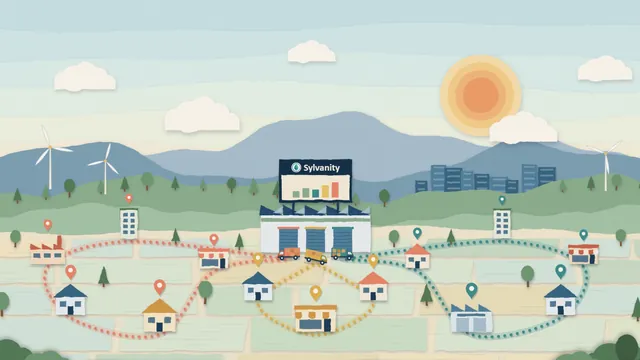
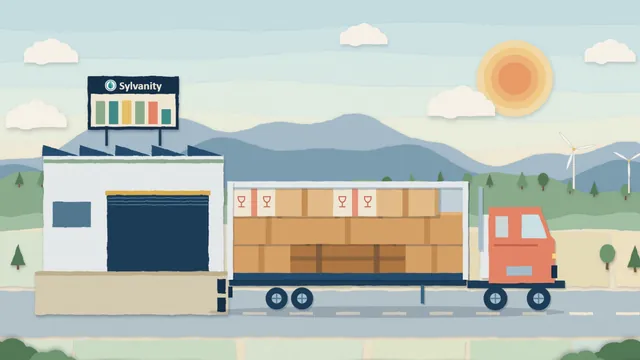
Plan the routes first and the trucks leave full, but the first stop's goods are buried. Load loosely so everything is within reach, and half the space travels empty. We plan route and load as one problem: last stop at the front, first stop by the door, and the truck still leaves full.
Route and load, planned together · 1 min
Two plans that undo each other
In most operations, routes and loads are planned separately, often by different people with different tools. The route plan assumes everything fits; the dock loads for space, not for sequence. Each plan makes sense on its own, and together they fail at the first stop.
The bill arrives as unloading and reloading at every address, longer stops, missed windows later in the day, or extra trucks on the road with space to spare.
Buried at the first stop
A truck packed to the roof in the wrong order means everything comes out, and goes back in, stop after stop.
Space traded for reach
Loading loosely so every parcel can be reached works, but half the space travels empty and you need more trucks.
Delays that add up
Every minute spent reshuffling at one stop pushes back every time window after it.
Route and load solved jointly, not one after the other
Our models choose routes and load plans together: the stop sequence shapes the load, and what fits in the vehicle shapes which routes are possible. This is the coupled problem that generic tools split apart.
What goes in
- Orders with addresses, time windows, dimensions and weight
- Vehicles with capacities and inner dimensions
- Handling and stacking rules per item
- Your depots, shifts and driving-time rules
Constraints handled
- Time windows and EU driving-time rules along the route
- 3D fit, weight limits and stacking rules inside the vehicle
- A loading order that mirrors the stops: last stop at the front, first stop by the door
- Capacity used as fully as the route allows
What the planner sees
- One plan per vehicle: the route and the load that goes with it
- For every stop, where its goods are in the vehicle
- Kilometres, vehicles and fill, side by side with the current plans
- Orders that fit no route or vehicle, named up front
Built on validated route optimization
The routing side has been validated at production scale on real operational data: total distance cut by double digits, fewer truck-days, and fewer orders that could not be fulfilled. In a shadow run on your orders, the joint plan is compared with your current plans on kilometres, vehicles and fill.
The routing figures are demonstrated results from a single validation. All outcomes depend on your network, freight and data, and are not guaranteed.
- Total distance (routing)
- Double-digit reduction
- Truck-days (routing)
- Reduced
- Fill and repacking
- Measured in your shadow run
Bring one planning problem to a working session
Tell us where planning hurts today. In one session we map it to the modules that fit, and what a shadow run on your data would look like.
Schedule an appointment
Real-time availability. Instant Teams invite.
- Direct with our engineers
- Cancel or reschedule any time