
Fuller trucks, loaded in the order you deliver
Loading by hand is a puzzle every single day: gaps, heavy boxes on fragile ones, goods that do not fit. Our models work out the best place for every item, in three dimensions and in delivery order, so vehicles leave full and the right goods are at the door at every stop.
Load optimization · 23 s
A puzzle solved by hand, every single day
Loading is usually left to experience at the dock. The route plan says which goods go on which vehicle, but not where they go inside it. So the dock improvises: some trucks leave with space to spare, others turn out too small, and goods are stacked in the order they arrive rather than the order they are delivered.
You pay for it in extra trips, half-empty vehicles, damaged goods, and time lost repacking at the dock or at the customer's door.
Space you pay for, driving empty
Gaps and uneven stacks mean trucks and containers leave with capacity unused, and the rest needs another trip.
Damage from poor stacking
Heavy items end up on fragile ones, and loads shift when the weight is not spread across the vehicle.
The wrong goods at the door
When goods for the first stop are deep in the vehicle, the driver unloads and reloads at address after address.
Every item placed, in three dimensions and in delivery order
We compute the load plan for every truck or container: where each item goes, in which order it is loaded, and whether everything fits at all, before the vehicle reaches the dock.
What goes in
- Items with dimensions, weight and quantity
- Handling rules: stackable, fragile, this side up, pallet or loose
- Vehicle and container types with their inner dimensions and weight limits
- The stop sequence from the route plan
Constraints handled
- Weight limits, with the load spread evenly across the vehicle
- Stacking rules: heavy at the bottom, fragile on top
- Items that must stay upright or must not be stacked
- A loading order that mirrors the delivery sequence
What the planner sees
- A 3D load plan per vehicle, item by item
- Fill per vehicle, by volume and by weight
- Items that do not fit, named before loading starts
- A loading sequence the dock can follow
Measured on your freight, not promised up front
We do not quote fill rates before we have seen your freight. In a shadow run, our load plans run beside your current loading on the same orders, and you compare the numbers that matter to your operation.
These are the measures a shadow run compares. Outcomes depend on your freight, fleet and data, and are not guaranteed.
- Fill per vehicle
- Compared with today, vehicle by vehicle
- Vehicles and trips
- Compared on the same orders
- Repacking at stops
- Checked against the delivery order
Loading starts with the route
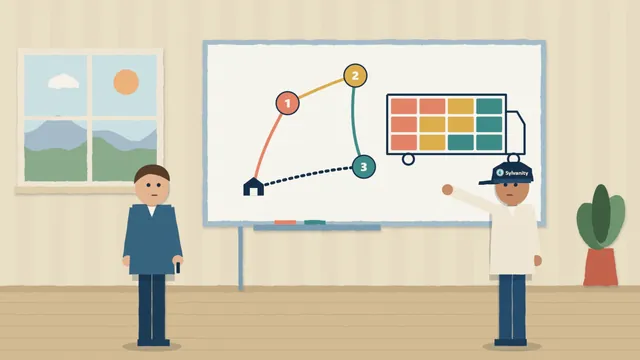 Route and load, planned togetherA loading order only works if it follows the route. See what changes when route and load are planned as one problem.Explore route and load, planned together
 Route optimizationFewer, fuller vehicles change which routes make sense. See how routes are optimized with capacity built in.Explore route optimization
Bring one planning problem to a working session
Tell us where planning hurts today. In one session we map it to the modules that fit, and what a shadow run on your data would look like.
Schedule an appointment
Real-time availability. Instant Teams invite.
- Direct with our engineers
- Cancel or reschedule any time